Boston Sports Medicine and Performance Group, LLC Blog

Attention DNS Journeymen!

Posted by Boston Sports Medicine and Performance Group on Mon, Oct 8, 2012 @ 07:10 AM

Dynamic Neuromuscular Stabilization  

Already completed DNS Course "A" in the past or planning to take Course "A" later this year?

Looking to take your next step in the DNS Journey?

Thinking about heading to The Prague School of Rehabilitation to complete your DNS Certification in the near future?


Whether you are simply looking to advance your skills in DNS approach or are planning on completing the entire certification process, your next step is BSMPG and DNS Course "B" in Boston - April 27-30, 2013.


Clare Frank and Marcella Safarova return to Boston to teach DNS Course "B"

Clare Frank  Marcella Safarova

Register today for this exciting event!  Seats have already begun filling up and we are only able to host 30 people.  Sign up today to avoid disappointment.  Click HERE for complete details.

Topics: Clare Frank, DNS course, dynamic neuromuscular stabilization

Visiting Boston - Your guide to Staying in Boston for BSMPG 2013

Posted by Boston Sports Medicine and Performance Group on Thu, Oct 4, 2012 @ 07:10 AM


5 Steps to ensure your 2013 BSMPG Seminar is a Success 


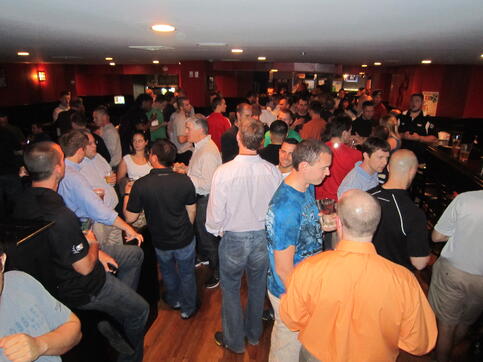
2012 BSMPG Social

1. Remain Calm: Yes, it's true that we have the biggest names in Sports Medicine and Performance here in Boston for the 2013 Seminar and it's also true you might never be exposed to so much brain power under one roof ever again.  But this is no reason to start dancing around your apartment like a teenage school girl who just met Justin Bieber!  Ok, maybe it is.

2. Rest Up: we certainly know how to put on the best seminar in the industry - that's understood. If you've attended an event in the past you know we also know how to put on the best socials in the industry as well.  Bring Ibuprofen and a water bottle! 

Our motto: learn hard - play hard! 

3. Bring Business Cards: We know that you come for the best speakers in the world, but we've also been known to connect sports medicine and performance professionals with the best technology support companies, nutrition experts, and a number of other industry leaders from around the world with one another.  We don't want to brag - but we're also responsible for a number of interviews and jobs over the last few years.

4. Take Notes: Not during lectures silly! That's what the powerpoint and outlines we provide you are for. Some of the most powerful conversations take place during our scheduled breaktimes, lunch hours and social events.  With the leaders in sports medicine and performance from around the globe present as attendees, some of the biggest Ah-ha moments happen outside the lecture halls. Be ready with pen and paper in hand - you might not get another chance to talk to so many NHL and NBA coaches and therapists as you do at BSMPG!

5. Secure Lodging: During this week many Boston and area colleges and universities host graduations and because of this, area hotels book up fast.  We encourage those even thinking about attending to reserve hotel rooms now! You can always cancel the week leading up to the event, but if you wait until the week prior to book, you'll certainly be out of luck. Reserve your room now. See link below.

Click HERE for a complete list of our Hotel Partners.    


Recap: Get excited because we are planning the largest BSMPG Seminar to Date - book your travel, get a babysitter, reserve a hotel room, and bring your brain and party pants to Boston! 

Let's get it on BSMPG-ers! (yes, that's a Marvin Gaye reference)

See you soon!


Register today for the world's largest Sports Medicine and Performance Seminar - May 17 & 18, 2013. Boston MA 

Register for the 2013 BSMPG  Summer Seminar Today


Topics: Art Horne, Craig Liebenson, Brijesh Patel, Mike Curtis, Charlie Weingroff, BSMPG Summer Seminar, Cal Dietz, Jeff Cubos, Dan Boothby, Marco Cardinale, Marvin Chun, Fergus Connolly, Stuart McGill, Rob Butler, Clare Frank

If you want to be the Best, then join the Best

Posted by Boston Sports Medicine and Performance Group on Mon, Oct 1, 2012 @ 07:10 AM


If you want to be the Best, then you need to join the Best sports medicine and performance professionals from around the world at the 2013 BSMPG Summer Seminar - May 17th and 18th in Boston MA!

Registration for this event is now open!

Visit our website for complete conference details including our keynote and individual track speakers.


Keynote Speakers include: Stu McGill, Adriaan Louw, Fergus Connolly, Marco Cardinale, and Marvin Chun.


Stuart McGill  Adriaan Louw  Fergus Connolly  Marco Cardinale  Marvin Chun  Robert Butler  Randall Huntington


More speakers are being being announced weekly!

Stay tuned to BSMPG.com for seminar updates and announcements.

Register Today - This seminar will sell out!


Register for the 2013 BSMPG  Summer Seminar Today


Topics: Art Horne, Stu McGill, Ben Prentiss, Bill Knowles, Marco Cardinale, Marvin Chun, Fergus Connolly

Your Anatomy Teacher was WRONG!

Posted by Boston Sports Medicine and Performance Group on Wed, Sep 26, 2012 @ 07:09 AM


By Art Horne


Knee Version


Your college anatomy teacher will have you believe that the knee is a simple hinge joint that’s only action is flexion and extension.   Of course they probably mentioned the “screw home” mechanism and its related rotational component at some point, but this motion was most likely reviewed only as a side note to the main lecture with no further mention. 

Unfortunately, this critical motion is often forgotten about during both the evaluation and rehabilitation of knee pain and for those with limited rotation in either direction, or an inappropriate axes of rotation, traditional knee pain management strategies aimed at limitations in flexion and extension will only lead to frustration.

Why care about tibio-femoral rotation?

Seriously?

Ignoring knee rotation and only examining the flexion-extension component is akin to checking the wheels on a train and then ignoring the tracks beneath them.  Both are required if you’re hoping to efficiently move from A to B.   So what happens when this critical motion is off?  Inappropriate arthrokinematic motion will cause excessive motion or friction on adjacent structures – think train grinding around a corner and the screeching of wheels on the tracks.

“Fixed rotation of either the femur or tibia has a significant influence on the patellofemoral joint contact areas and pressures.  This is due to the anatomic asymmetry in the knee with respect to all planes, as well as the laterally directed force vector that naturally exists in bipedal lower-limb biomechanics.  Specifically, femoral rotation results in an increase in patellofemoral contact pressures on the contralateral facets of the patella, and tibial rotation results in an increase in patellofemoral contact pressures on the ipsilateral facets of the patella.  This difference can be elucidated when one considers that rotation of the femur is biomechanically different than rotation of the tibia.  For both tibial and femoral rotations, the patella’s distal attachment to the tibial tubercle influence the direction of patellar movement.” (Lee et al, 2003 p.686)

This influence on the patella by the relative motion between the tibia and femur is echoed by Kapandji,

“During movements of axial rotation the patella displacements relative to the tibia occur in a coronal plane.  In the neutral position of rotation the patellar ligament runs a slightly oblique course inferiorly and laterally.  During medial rotation the femur is laterally rotated with respect to the tibia, dragging the patella laterally, and the patellar ligament now runs obliquely inferiorly and medially.  During lateral rotation, the opposite movements take place: the femur drags the patella medially and the patellar ligament now runs inferiorly and laterally with a greater obliquity than in the neutral position.”(Kapandji, pg.106)

“Patella displacements relative to the tibia are therefore indispensable for movement of both flexion-extension and axial rotation.”(Kapandji, pg. 106)


What exactly is happening?

“During lateral rotation of the tibia on the femur the lateral condyle moves forward on the lateral tibial surface, while the medial condyle moves backwards on the medial tibial surface.  During medial rotation of the tibia on the femur the converse is true:  the lateral condyle moves backwards and the medial condyle forwards on their corresponding tibial surfaces.  In reality, the anteroposterior movements of the condyles on their corresponding tibial surfaces are not identical.” (Kapandji, pg. 90)

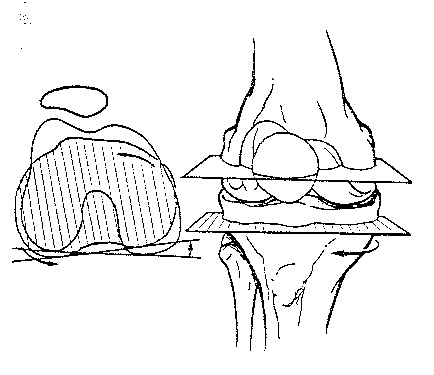
Because of this unequal movement, the axis of rotation is NOT between the two intercondylar tubercles as many people would think, or what your college professor lead you to believe, but actually through the articular surface of the medial tubercle which serves as the central pivot point of the knee joint.


So now you’ve identified a limitation, how would you treat it?

Treatment Example:  Below is an example taken from Greenman (Greenman’s Principles of Manual Medicine, Fourth Edition. Page 453), in an effort to restore normal tibia internal rotation

Position: Tibia Externally rotated

Motion Restriction: Internal rotation of tibia

  1. Patient is prone on the table with the operator standing at the side of the dysfunctional extremity
  2. Operator flexes the knee to 90 degrees and grasps the heel and the forefoot of patient.
  3. Operator dorsiflexes the ankle and internally rotates the tibia to the barrier.
  4. Patient externally rotates the forefoot against operator resistance for 3-5 seconds and three to five repeitions.
  5. Following each patient effort, the operator internally rotates the foot to the new barrier.
  6. Retest.


Are you treating Tibial rotation limitations in multiple stages of flexion?

Considering the obvious fact that the knee experiences a large excursion in flexion angles during sporting activity and also that patella contact pressures change as a result of knee flexion angle, (“Earlier in vitro studies have demonstrated that, in weight bearing, contact pressures within the patellofemoral joint increase as the knee flexes from 0 to 90 and decrease as the knee extends.” Lee, 2003), it is clearly warranted to treat limitations in both normal tibio-femoral along with patella and patellar tendon mobility in these various degrees of motion, and not simply in the traditional supine, table supported manner.

Closing Thoughts:   Evaluating knee rotation is a critical part of any comprehensive knee pain evaluation, especially for those evaluations involving pain and swelling of a “non-specific” origin (aka: patellofemoral pain syndrome).  For those that are familiar with the SFMA, limitations in multi-segmental rotation can be evaluated in a minimal amount of time and will lead you directly to this rotational component should a limitation exist.  Treating this limitation should reflect the knee angle in which the restriction actually corresponds to.


Learn more advanced evaluation and rehabilitation techniques from the leaders in sports medicine and performance at the 2013 BSMPG Summer Seminar.

Register today before this event sells out!

Register for the 2013 BSMPG  Summer Seminar Today


References:

  1. Greenman’s Principles of Manual Medicine, Fourth Edition.
  2. Kapandji, AI. The Physiology of the Joints. Volume Two. The Lower Limb. Churchill Livingstone Elsevier. 2006.
  3. Lee TQ, Morriss G, Cstinalan R.  The Influence of Tibial and Femoral Rotation on Patellofemoral Contact Area and Pressure.  J Orthop Sports Phys Ther.  2003;33(11):686-693.
  4. Lee TQ, Yang BY, Sandusky MD, McMahon PJ. The effects of tibial rotation on the patellofemoral joint: assessment of the changes in in situstrain in the peripatellar retinaculum and the patellofemoral contact pressures and areas. J Rehabil Res Dev. 2001;38:463-469.
  5. Li G, DeFrate LE, Zayontz S, Park SE, Gill TJ. The effect of tibiofemoral joint kinematics on patellofemoral contact pressures under simulated muscle loads. J Orthop Res. 2004;22:801-806.


Topics: Art Horne, knee pain, BSMPG Summer Seminar

Our Core Culture

Posted by Boston Sports Medicine and Performance Group on Mon, Sep 24, 2012 @ 07:09 AM


by Keke Lyles


Stuart McGill


I know for certain that ever since I began playing sports as a young adolescent, I wanted those six-pack abs. If you look through muscle magazines from thirty years ago up until the present, this is arguably the most popular topic covered. Ninety nine percent of everyone who goes to commercial gyms dreams of that beautiful six pack. Turn on the television and during almost every commercial break you will see an advertisement on the newest gimmick, diet, trend, or flat out lie on how to achieve that goal. I guess I can’t blame anyone for buying into this “core culture” because in our great Western society we place such an emphasis on the way we look. Although that doesn’t explain why we are still one of the most obese countries in the world. Or, perhaps it does explain it. We have a misconstrued view of reality when it comes to our health. We want quick fixes (5 min abs), we want to eat whatever we want (diet fads), and at the end of the day the only results that REALLY matter to us is what we see in front of the mirror.

But don’t let me single out the everyday common folk. I have athletes all the time question my core training with them.  One afternoon I walked into my weight room after I thought everyone was gone, I found one of my guys doing sit- ups. When his eyes made contact with mine, without me saying a word, he shouted, “Well you never let me do them when I work with you!” My response was simple, “They pay me to keep you healthy and to aid in your development, and what you are doing is the opposite of that.” So why is that everyone has such a wrong view on this, or am I the one who has it all wrong?

Let us explore the “core” muscles. For the sake of keeping this simple, we are just going to focus on the RECTUS, TRANSVERSE ABDOMINIS and INTERNAL, EXTERNAL OBLIQUES. I would argue that the core is much more complex than just those four muscles, but again let’s try to keep it simple. Basic kinesiology teaches us the origin and insertion of muscles and from that, we thought we figured out what that muscle does. Because everyone reads the internet and think this makes them an expert, let’s see what Wikipedia tells us about what these muscles do. Rectus: “Flexion of the lumbar spine.”  Transverse: “Compresses abdominal contents.” Obliques: “Compresses abdomen; unilateral contraction rotates vertebral column to same side.” So simple, right? WRONG!!! But this simple way of looking at the abdominal muscles has led everyone to believe that training your abs is about getting a six pack, which means you flex your lumbar spine over and over. Perhaps that is why one of my coaches has herniated discs in his back. Thanks to Stuart McGill, we know that our spine has a flexion/extension tolerance, meaning you can only bend it so many times before it breaks.  Does P90X give you a refund after you blow out your back from the Ab Ripper? Of course not.

Now before I just rip on all the products out there, let me explain my stance. The abdominal muscles are not intended to work that way. It appears that they do, but research has revealed otherwise. Their PRIMARY function is to STABILIZE. Their other job is to transfer energy and to resist movement. Crazy, I know. Considering our spine has only so many bends in it before it breaks, we better have something that prevents all those bends. This is what the core does. If you are about to hyperextend, your core will fire to prevent spinal injury. If a football player gets hit awkwardly with his arm outreached, it is his core that will protect him. If a basketball player is jumping up to rebound and has to reach back, it is his core that allows him to stay in control to gain possession. You don’t see guys purposely doing lumbar flexion in competition, just like you don’t do it in everyday life. So why train that way?

And what is stabilization all about? Doing concentric and eccentric exercise will make a muscle bigger and stronger, but stabilization is about timing and coordination. Think of a robot-like machine that automatically swings a baseball bat as a pitch is thrown towards it. Now if you make it swing faster (stronger), what will happen? It will be a swinging strike since the bat will be in front of the ball. You must calculate the timing so it will hit the ball further. Timing and coordination are not about strength and size. Similarly when it comes to our core, it is not about strength and size. It is about our central nervous system controlling the timing and coordination of the muscle contraction to prevent an injury or transfer force. I would make the argument that training to make your core bigger and stronger to get a desired look will only interfere with its real purpose.

Additionally, a six-pack is seen because a person is lean. This comes from a combination of exercise and mostly diet. So drop the fads, leave Wikipedia alone, and challenge yourself to really understand the purpose of your muscles. Resist the temptation to measure success by the mirror. I measure it by injury reduction. Find an objective way for you to measure it.

Leave the Ab Ripper session behind and learn the real way to train your core. How can you train to stabilize? Then stabilize while adding movement to a limb, just like in sport and in life. Planks, side planks, etc. are a good start. Add farmer walks, or waiter carries, perhaps variations of bird dogs. Try prone, supine, half-kneeling, kneeling, and standing progressions. There is plenty of great material out there on how to properly train your core. The promise I will make to you is that training your core this way, along with the proper additional exercises and a solid diet, you will get that much desired six-pack, but more importantly, stay healthy.

Maybe I am crazy and sure I may be wrong about many things, but this is not one of them. My goal is for our culture to change regarding its view of the core. I want to see this shift not only for my players, but for everyone. Sit-ups should be a thing of the past, but yet we struggle to let them go. Train hard, but train smart.


-Keke Lyles

Strength and Conditioning Coach Minnesota Timberwolves


Register for the 2013 BSMPG  Summer Seminar Today


Topics: Stu McGill, BSMPG Summer Seminar, Fergus Connolly, Stuart McGill

BSMPG 2012 Summer Seminar Highlights - Craig Liebenson

Posted by Boston Sports Medicine and Performance Group on Wed, Sep 19, 2012 @ 07:09 AM


Click below to see highlights from our 2012 BSMPG Summer Seminar featuring Keynote Speaker, Craig Liebenson during his workshop session.

More highlights are set to come in the next few weeks so stay tuned!


Save the date for the 2013 BSMPG Summer Seminar - May 17th & 18th in Boston MA.


Keynote Speakers include: Dr. Stuart McGill, Dr. Marco Cardinale, Fergus Connolly, Adriann Louw and Marvin Chun.  Individual learning track speakers will be announced shortly. 


Register for the 2013 BSMPG  Summer Seminar Today


This is sure to be the biggest Sports Medicine and Sports Performance Seminar to date!

A special thanks again to our SPONSORS!


Topics: Craig Liebenson, BSMPG Summer Seminar

Painful Education for Physical Therapists

Posted by Boston Sports Medicine and Performance Group on Mon, Sep 17, 2012 @ 07:09 AM


by Chris Joyce, DPT


athlete back pain 


Pain. A word that ignites a cascade of thoughts and emotions in a person, often formulating as questions that are specific and situational to the individual. For example:

Clinician: Joint or muscle? Disc or neural tension? Movement patterns or structural lesion?

Athlete: Season ending? Same thing as teammate’s/professional athlete’s? Scholarship jeopardized?

Patient: Copay cost and insurance coverage? Time off from work? Old age?


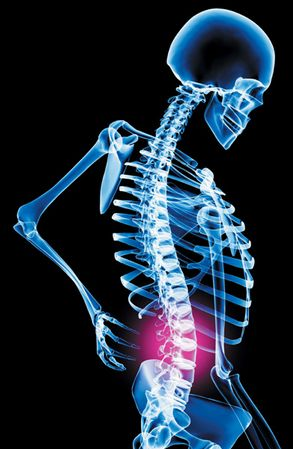
The answers to these questions undoubtedly play a role in the success or failure of an individual’s rehabilitation, and as such it becomes paramount that the clinician considers any and all physical or mental restrictions. With the growing accessibility of diagnostic tests, diagnostic websites, and diagnostic friends/family, the practitioner faces the challenge of not only delivering successful interventions, but also guiding the patient’s cognitive state as they become overwhelmed with input. Fortunately, in the last 20-30 years we have seen an increased availability of information that can facilitate this type of high quality comprehensive patient care that encompasses both physical and psychological medicine.  It is my personal belief that education in academia, in conjunction with numerous resources for continued knowledge, equips the AT/PT/Chiro/etc, with almost all the necessary physical skills to treat someone in pain.  However in regards to formal education, the same thing cannot be said about the required understanding of the neurophysiology of pain, including it’s psychosocial contributions. Now, it is WAY outside my scope to attempt to educate my colleagues in the complexities of neuroscience and pain modulation. Rather, my goal is to highlight the importance of pain education within our professional development, and within our everyday patient interactions.


Surely we have all heard of the phenomenon “phantom pain,” where a person with a recent (or chronic) limb amputation continues to experience pain in the absence of his extremity. And surely we have heard of the opposite phenomenon, where a person takes significant physical damage to their body yet reports no symptoms at the time of insult.  From these two examples, we can convincingly agree that pain is not simply an input from peripheral structures, but rather an output of a central processor (Melzack 2001).  Scientific evidence that dispels structural pathologies as definitive pain sources is a study done in 2007, when images were taken of tennis players who have disc herniations, spondylolisthesis and stress reactions, yet were asymptomatic (Alyas 2007).   Looking conversely, I’m sure we could all provide cases where patients complained of significant pain, were sent out for imagining and returned with normal findings. This does not mean the person is not experiencing pain, but rather that it is unlikely the source of the pain is an anatomical or even biomechanical dysfunction.   


With this established, we know we have to consider the other factors that may affect the brain’s processing of pain, such as thoughts, beliefs and emotions.   As illustrated in the introduction, these may differ greatly in an athlete or a patient, so they must be identified and addressed specific to each individual. One way proven to effectively mitigate pain and its associated impact is simply by providing education as an intervention.  In various studies, neuroscience education has had immediate effect in pain thresholds during physical tasks (Mosely 2004), improved outcomes of therapeutic exercise (Mosely 2002), and decreased fear in a patient’s perception of his pain. The methods used for transferring this information can vary greatly, but the underlying concept is fundamental: people who understand why they may feel pain can manage their pain more effectively. Therefore, the patient/athlete education we provide is a critical component in rehabilitation.  The clinician must become versed in the complex process of pain neurophysiology to be able to succinctly articulate the phenomenon.


We’re in the midst of an exciting shift in our orthopedic assessments to show greater respect to the neuromuscular system.  Failing to incorporate current concepts of pain physiology would be detrimental to our vision of global movement and function.  An excellent place to start is by reading the book Explain Pain, downloading the recently published article A neuroscience approach to managing athletes with low back pain, or attending the BSMPG course in May that will feature renown expert, Adriaan Louw.


Register for the 2013 BSMPG  Summer Seminar Today


Chris Joyce is a physical therapist at a sports orthopedic clinic in Boston. He’s currently completing a Sports Residency at Northeastern University, and can be reached at cjoyce@sportsandpt.com.


Alyas, F. Turner, M. Connell, D. (2007). MRI findings in the lumbar spines of asymptomatic, adolescent, elite tennis players. British Journal of Sports Medicine 41(11), 836-841.

Melzack, R. (2001) Pain and the neuromatrix of the brain. Journal of Dental Education, 65(12), 1378-1382.

Mosely, G.L., Nicholas, M.K., Hodges, P.W. (2004). A randomized controlled trail of intenseive neurophysiology education in chronic low back pain. Clinical Journal of Pain, 20(5), 324-330.

Mosely, G.L. (2002). Combined physical therapy and education if efficacious for chronic low back pain. Australian Journal of Phyisiotherapy, 45(4) 297-302.

Mosely (2003). A pain neuromatrix approach to patients with chronic pain. Manual Therapy, 8(3), 130-14.

Topics: Adriaan Louw, BSMPG Summer Seminar

Predicting Performance and Injury Resilience in Collegiate Basketball Athletes : Part III

Posted by Boston Sports Medicine and Performance Group on Thu, Sep 13, 2012 @ 07:09 AM

by Art Horne


Basketball Performance Seminar


Just recently Dr. Stuart McGill, Jordan Andersen, and I published an article in the Journal of Strength and Conditioning Research examining the link between traditional pre-season strength, fitness, and sports medicine testing to overall on-court basketball performance and injury resilience throughout the course of two collegiate basketball seasons.  Although I would be the first to admit that there are some clear limitations to this study (number of participants for example), key performance predictors (points scored, ability to rebound, block shots, etc) were NOT associated with traditional strength or performance measures so often pursued in collegiate basketball strength programs.


Key performance predictors (points scored, ability to rebound, block shots, etc) were NOT associated with traditional strength or performance measures.


Below you’ll read a few of our findings followed by my thoughts on how to best train these attributes that correlated to actual on-court success as well as address common injuries found both in our study and in general among basketball athletes. Findings are in bold, with narrative following in normal text.


First things first. All strength exercises described below must be built on a solid foundation. To quote Gray, “you can’t put strength on dysfunction.”

Move well, and then Move often.

You wouldn’t build a house on swamp land, so don’t even try to start squatting the basketball athlete before you’ve assessed him for the ability to even perform such a movement with his own body weight. This seems logical to most, but you’d be surprised at the number of coaches who first neglect this fairly obvious rule and bury their athletes under the bar.  This rule needs to be applied to all exercises that carry a load, not just the squat. Prove to me that you can handle 1x your body weight and then we can talk about you moving an outside load.

For the sake of argument, we’ll assume the methods below are being applied to a basketball athlete who has been assessed and has passed their movement screen/assessment and has no current pain or past medical condition.


1. A “stiffer” torso leads to better performance

Again, this goes without saying. 

Many people automatically associate spine stiffness to side planking for some reason but this couldn’t be further from the truth. The ability to Side Plank or perform a Front Plank are merely two exercises in the large core stability family.  Including these traditional exercises along with the chops and lifts, anti-rotation exercises such as the Keiser Belly Press (or Paloff Press), Bird-dog exercises and the Tall Kneeling or standing Single Arm Keiser Chest Press along with Anti-Extension exercises including any variation of roll outs are a staples within any comprehensive yearly training program.  But you already knew that – what you may be missing are the following:

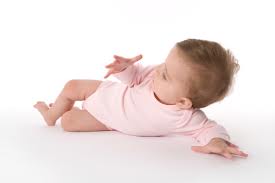
a. Rolling - Assessment and activation of the deep core stabilizers: Before addressing the core as described below, one must ensure that the intrinsic musculature immediately surrounding the spine are functioning properly.   Assessing rolling patterns in your athletes is an easy check and certainly worth the investment of time.  Checking both upper and lower rolling patterns – supine to prone and prone to supine prior to undergoing a long rehabilitation or performance program and addressing deficiency in this area will save you an enormous amount of frustration later on.
 

BSMPG Seminar


b. Carries: This is a must in every rehabilitation and sports performance program – period. I’ve witnessed firsthand athletes returning to competition after a knee injury who were unable to perform a single leg squat on initial evaluation, only to bury it moments after a few minutes of suitcase carries.  For sports performance coaches, this has been described by McGill a number of times and specifically to the Yolk walk that strongmen competitors compete in. 

“Every time I work with top international athletes I learn more about athleticism. We have all heard that having a strong core increases strength elsewhere in the body. Experience tells us this is true but I was incomplete in my explanation of the mechanism. I enhanced my education a couple of years ago following my analysis of “strongman event” competitors.

First we measured the athlete’s strength capabilities – hip abduction being one of them. Then we quantified the tasks, strength demands and joint mechanics in various events. Curiously they needed more hip abduction strength to succeed in events such as Super Yoke and the Suitcase carry than they could create in their hips. How could they perform a feat of strength that was beyond what a joint could produce?

Consider the Super Yoke where several hundred pounds are carried across the shoulders. The axial load down the spine traverses across the pelvis to the support leg allowing the other leg to step and swing. Hip abduction is needed to lift the pelvis laterally but clearly the strength required far exceeded what the hip could create. The missing strength came from the core muscles (quadratus lumborum and the abdominal obliques on the swing leg side) which helped lift the pelvis. Now consider the footballer who plants the foot on a quick cut. A strong and stiff core assists the hip power to be transmitted up the body linkage with no energy losses resulting in a faster cut. This is the same performance enhancing mechanism as in the Super Yoke but it is not traditionally trained in the weight room.

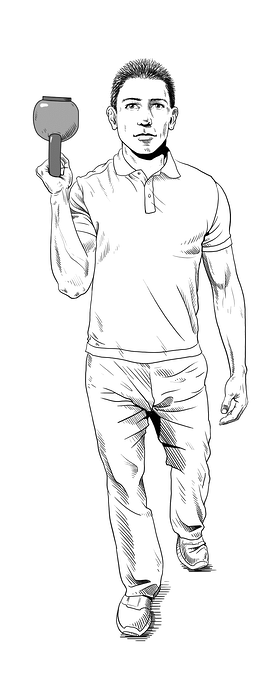
This experience resulted in the search for the best training approach. We quantified asymmetric carries such as the suitcase carry and found that quadratus and the abdominal wall were challenged to create this unique but essential athleticism. However, working with Pavel we tried kettlebell carries (just in one hand). Racked traditionally with the bell carried on the back of the forearm (with the hand position tucked in close to the chest as if the athlete were to begin an overhead press) helps to reduce shoulder impingement should this be an orthopaedic issue. However, even better was the bottom up carry. Here the bell is held upside down in the bottom up position with the elbow tucked close to the body and the bell beside the head. The core is stiffened to control the bell and prevent it from rotating in the hand. Now walk briskly. Core stiffness is essential to prevent the loss of the bell position.

I consider that every general program to enhance athleticism needs a carry task. “ (McGill, personal communication)


  • Integrate Suitcase Carries, Farmer Walks or Bottoms Up Kettlebell Carries in all of your training programs – every time!
McGill Seminar

c. Training to Relax:  it appears that rate of force development is not the only end to which we should direct our training methodologies.  Training to improve RATE OF RELAXATION may be just as, or more important.  For additional resources on this subject see below.

  • Read Cal’s Book, TRIPHASIC TRAINING, specifically page 306 and the section on Antagonistically Facilitated Specialized Method (AFSM).


d. Breathing through the brace: Spine stiffness is intimately related to diaphragm function, and as such, training the diaphragm to operate as both a Respirator and Stabilizer is of the upmost importance.  This is especially important for the Forwards banging down on the post while sucking wind in the fourth quarter.  Learn more about “Breathing Through The Brace” and Diaphragm function HERE.


2. Bench Press correlated with blocks per game

Upper body strength is important for basketball – period (at least for the bigs)

Another note on Kevin Durant and others like him:  Remember – skill is king. If you are just better than everyone and can score whenever you want, whether you can bench press or not really doesn’t matter.  However, if you’re working with a kid that has marginal skill and could use some additional size and strength to compliment this game here are some suggestions for going about doing it that will also have some actual transfer to his performance on the court – and no, none of the suggestions involve bench pressing more.   In fact, absolute strength may not be important at all.  Sparq Data from 17-19 year olds showed the Power Pass (ability to chest pass a medball) to be highly correlated to those that went on to scholarships and international contracts, whereas NBA draft data from 2007-2009 showed bench press to be one of the lowest! (Nike Sparq data)

  • Standing single arm horizontal presses may be better than lying flat on your back under a bar.  I know you can’t move as much weight standing, but that’s kind of the point.  In fact, you’ll only be able to press about ½ of your body weight before you are pulled backwards and around.  This is because the limiter in this exercise is not upper body strength but the ability to stop trunk rotation – an important aspect in the game of basketball! If you can’t pull yourself away from writing bench press into your programs at least add a tall kneeling or standing horizontal cable single arm press as a supplemental exercise.
  • An even better exercise is described by McGill HERE, in which you perform a dumbbell chest press with only ½ your body on the bench and press with the arm on the side that is unsupported.  This forces the unsupported side – hip/gluteal & hamstring with anti-rotational core stiffness that will allow for stability necessary to generate pushing power in conjunction with upper body strength (CraigLiebenson.com). 


  • Crawling: enhancing “functional” upper body basketball strength, or strength that can be used in any sport for that matter starts on the ground.  I’ve seen athletes time and time again lying flat on their back performing the bench press exercise that can’t even perform a push-up without looking like a wet noodle.  Stay on the ground instead of “deloading” their bodyweight and placing them on their back.  Remember – you need to be able to handle 1x your bodyweight before moving on to loading that pattern.  Crawling and performing push-ups in multiple directions and with multiple hand placements are an excellent way to develop the strength needed to battle for the boards while also integrating the core musculature.  Examples include:

Inchworm, Lateral push-ups, Hand Walk-outs, Bear Crawls (forward, back and side to side)


3. Long Jump distance and Lane Agility Test were the most closely linked performance tests linked to actual performance

Let’s break each one of these points down into their individual components.

i.      Long Jump scores correlated with: minutes, rebounds, and blocks per game: and thus, an effort must be made to address this horizontal power component in your training program.  Here’s how.

  • Trap Bar Deadlift: Listen, basketball guys aren’t interested in strength training – sorry to break the news. This was a really hard thing for me to understand when I was younger and for a long time refused to believe that basketball athletes didn’t love moving weight – THEY DON’T!  With that said, the trap bar deadlift might be one of the best exercises for the basketball athlete – here’s why......It’s not the squat!

Listen, I think basketball athletes should squat and squat often, but unfortunately it often places the basketball athlete into a movement pattern that they perform a thousand times a day already and as such, might not be appropriate for the entire team, all the time as opposed to the deadlift which almost all guys (even guys with knee pain) can perform. If you’re going to squat your athletes (good by the way!), be sure to at least add the deadlift into the mix (and when I say add to the mix, I mean add it a lot!)

  • Trap Bar Deadlifts are easier to teach and execute than traditional barbell deadlifts from the floor.  Holding a bar to the sides is far easier than scraping your shins when holding a bar from the front.  We’re not here to teach kids to become great dead lifters, or compete in the Olympics.  They’re in your weight room to become better basketball athletes – period.  Trap Bar Deadlifts are the fastest, easiest, and safest means to that end. 

Remember: the goal is to keep the goal the goal. 

  • What’s the goal? Improve basketball motor skills and biomotor abilities that lead to increased basketball court performance while reducing the likelihood of injury.

  • Besides being a great lower extremity exercise, deadlifting has two additional benefits:

1.Deadlifting establishes a proper hip hinge pattern which separates your lumbar spine from your hips.  If ankle and knee pain don’t end your career, low back pain will. Avoid back pain by mastering this movement and recruiting the massive muscles on your “backside” instead of the muscle in your lumbar spine 2. Holding the bar to the side makes it easier to centrate and “pack your shoulder” joint while also recruiting the large lumbar spine stabilizer called your lats (another great reason to perform this exercise).  Teaching kids to “screw in their shoulder” or “pack their shoulder” will carry over to other exercises while also keeping their shoulder joints free from pain.  Side note: perform in barefeet to encourage awareness of foot position, strengthen the intrinsic musculature of the foot and ankle, and get them out of those darn basketball shoes for at least a minute. 

  • Deadlifting promotes more horizontal power development than the squat – read above – “long jump scores correlated with rebounds and blocks per game” – that’s a good thing! Rebounding and blocking shots not only involve jumping up, but also jumping outwards to meet the ball.  Both strength qualities must be developed in my opinion and the deadlift is your money maker for the horizontal component.
  • Kettlebell Swings: Now that you’ve established the necessary strength from the deadlift and have earned the right to pull from the floor, harnessing that strength and moving weight fast is the next challenge.  As Cal Dietz has mentioned many times, not a single exercise that we perform in the weight room even approaches the speed at which your limbs move during the course of a basketball game.  Although not able to reproduce this speed per se, the kettlebell swing does teach the body to contract and relax – and that is what elite sport is all about!  In addition, when performed correctly (sorry cross-fit but swinging the bell up over your head is a bad idea), the motion is almost purely horizontal, and contributes to a big broad jump.


ii. Lane Agility time correlated negatively with minutes played, points, assists and steals per game (meaning that a faster time was linked to more performance)

i.      These are the guys with the stiffer torso’s, the guys that are able to “relax” quickly (again read Cal’s book), and the guys that are able to put force into the ground to change direction. So how do I do this:

  • Stiffer Torso: Re-read torso training above
  • Ability to relax: Read Cal Dietz’s book, specifically part on “AFSM” training, pages 306 to 313.
  • Force into the ground: Get Strong! I’m not quite sure how else to say this but moving heavy weight is necessary.  Although there is some argument as to the amount of strength  needed to be successful in sport, it is rare to find a basketball athlete that has achieved top end strength and as such, can always improve their biomotor abilities by the addition of more absolute strength.  This strength however needs to be multi-planer.  This is much different than training track athletes that simply move in a straight line.  Performing lunges at various angles or squats in varying foot positions (sport squat vs. power lifting stance) will translate to improved on-court success.

iii. Vertical Jump did not correlate with any variable below

  • This is a bit of a misnomer in my opinion and here’s why. Vertical jump is important, especially the ability to repeat these jumps over and over. Although it wasn’t correlated in this limited study, I think we’d all agree that you need a big vertical jump if you want to play at the highest level (college or professionally).  One attribute more important than jumping high however is the ability to put the ball in the bucket. I don’t care if it’s from beyond the arc or if you pull up in the paint. If you can score when you want to you will play!  The trend that I have seen over the years unfortunately is that our best leapers are never our most skilled players.  For some reason, most natural leapers feel like that attribute alone will get them through to the next level and thus, simply fail to develop their full skill set.  Let’s look back at the goal. You need to score more than the other team. So you either have to be a great scorer or a great defender.  Vertical jumping will certainly help you some on both ends of the court but you still have to have that silky smooth jump shot in order to reach the highest level. 

Keep working on developing your vertical jumping ability, but not at the expense of developing your skill set.  Instead of showing off at between classes with your fancy dunks try spending that extra time at the charity stripe working on your foul shots.


Is any of this really important?

If you’re any one of the 3 major universities in Boston providing basketball scholarships for example, you know that you’ve basically committed over a ¼ of a million dollars towards each athlete by the time they graduate.  This doesn’t not even account for the large number of support staff (academic support, athletic trainers, strength coaches, etc.) that invests their time above and beyond to help these young men.   If more strength coaches and athletic trainers saw each athlete as a dollar figure, or a loss of potential “revenue” when injured perhaps then each would look to address faulty movement patterns and their contributing factors prior to injury rather than throwing their hands up afterwards in frustration.  I don’t think it’s fair to put a dollar figure on an 18 year old kid – but I do think that it’s a nice exercise to clearly illustrate the massive investment institutions are making in their athletes and athletic programs, and one that will resonate with those professionals that provide services to these athletes.  Providing sports medicine care means more than applying ice and e-stim after injury and strength & conditioning requires more than simply loading a bar.  Both professionals, need to understand that they currently have over 3 million dollars of “product” on their roster right now (13 scholarships), and that their actions and inactions contribute directly to the rise and fall of that value.


Best of luck this coming basketball season!!


References


Dietz C, Peterson B. Triphasic Training: A systematic approach to elite speed and explosive strength performance. 2012.

Nike Sparq Data.


Register Now for the 2013 BSMPG Summer Seminar - May 17 & 18, 2013.  See Dr. Stuart McGill and other leaders in Sports Medicine and Performance from around the Globe!


 

Register for the 2013 BSMPG  Summer Seminar Today


Topics: Stu McGill, Bill Knowles, Marco Cardinale, Marvin Chun, Fergus Connolly

Sports Fusion Track takes shape with the addition of Ben Prentiss

Posted by Boston Sports Medicine and Performance Group on Mon, Sep 10, 2012 @ 07:09 AM


BSMPG is proud to announce the addition of Ben Prentiss as a speaker within the Sports Fusion Track at the 2013 BSMPG Summer Seminar - May 17th and 18th, 2013!  Ben joins legendary track coach Randall Huntingon and keynote speakers, Dr. Stuart McGill, Marco Cardinale, Fergus Connolly, Adriaan Louw and Marvin Chun for this weekend event.  With the most thorough and integrated speaker line-up ever assembled, the 2013 BSMPG Summer Seminar will be the WORLD'S most sought after Sports Medicine & Performance Seminar to date!!

We are expecting the largest crowd in the history of BSMPG events with speakers and attendees traveling the globe to be in Boston in May of 2013, and thus have already made plans to move our main lecture hall to a newly renovated multi-tier auditorium.

Be sure to save the date now - hotels will fill fast with this event along with normal Boston traffic so start making plans now!

See you in Boston next May!!!


Register for the 2013 BSMPG  Summer Seminar Today

Ben Prentiss

BEN PRENTISS, B.S. PICP Level 5

Prentiss Hockey Performance

Strength and conditioning coach Ben Prentiss has been working with professional and Olympic hockey players for over 14 years. Ben's unique training system encompasses speed, strength, power, agility, and flexibility, along with body composition and nutrition. This approach has allowed athletes to achieve their personal goals and reach optimal physical shape. Ben opened his own training facility, Bodytuning, twelve years ago in Darien, CT. Bodytuning, home of Prentiss Hockey Performance, is a 2,000 square foot gym containing unique equipment that has helped produce three Stanley Cup winners, NHL All-Stars, a Hart Trophy winner, and a Hobey Baker finalist .

Over the years Ben has trained professional hockey players on 21 of 30 NHL teams as well as members of the OHL, QMJHL, USHL, AHL, DEL (German Ice Hockey League), NLA (National League A Switzerland), FEL (Finnish Elite League), NCAA, Olympics, and World Championships. Ben's off-season training program has been recommended by coaches, advisors, and agents. Over two dozen media outlets have featured Ben's training techniques with his athletes, including Sports Illustrated, Men's Health, Fox Sports, and The Hockey News.


Prior to BodyTuning becoming a destination for athletes, Ben spent the off-season months in Scottsdale, Arizona at Poliquin Performance Center training NHL and NFL athletes. Ben's expertise in training is exemplified by a Level V certification with world-renowned strength coach Charles Poliquin. Based on the trainer's education and experience a Level V trainer must train a medalist at the international level and consequently Ben is one of a few trainers world wide with this credential.

Topics: BSMPG Summer Seminar, Ben Prentiss, Stuart McGill, Rob Butler

Legendary Track Coach Randall Huntington Joins BSMPG for 2013 Summer Seminar

Posted by Boston Sports Medicine and Performance Group on Tue, Sep 4, 2012 @ 07:09 AM

BSMPG is proud to announce the addition of Randall Huntington as a speaker within the Sports Fusion Track at the 2013 BSMPG Summer Seminar - May 17th and 18th, 2013!  Randall joins keynote speakers, Dr. Stuart McGill, Marco Cardinale, Fergus Connolly, Adriaan Louw and Marvin Chun for this weekend event.  With the most thorough and integrated speaker line-up ever assembled, the 2013 BSMPG Summer Seminar will be the WORLD'S most sought after Sports Medicine & Performance Seminar to date!!

We are expecting the largest crowd in the history of BSMPG events with speakers and attendees traveling the globe to be in Boston in May of 2013, and thus have already made plans to move our main lecture hall to a newly renovated multi-tier auditorium.

Be sure to save the date now - hotels will fill fast with this event along with normal Boston traffic so start making plans now!

See you in Boston next May!!!


Register for the 2013 BSMPG  Summer Seminar Today


Randall Huntington

RANDALL HUNTINGTON

Michigan State / United States Track & Field

Topic: Developing Power

Randy Huntington, a native of Walled Lake, Mich., is in his first season on the Spartan track and field staff. Huntington, who has almost three decades of experience coaching professional and amateur athletes, will coach MSU's jumpers.

Huntington is rated as a USATF Master Coach - a coach who has guided multiple medalists in multiple Olympics and World Championships - in the jumps, one of only seven in the U.S. He has been the coach for many world-class track and field athletes over the years, including eight Olympians and seven World Championship Team members. Overall, he has coached and consulted 17 Olympians from various sports. Mike Powell and Willie Banks set world records in the long jump and triple jump, respectively, while under his tutelage. Seven of his athletes have been in the U.S. all-time top ten in their respective events.

Huntington coached Powell to the Olympic Games in 1988, 1992 and 1996, where Powell won a pair of silver medals in the long jump. On Aug. 30, 1991 in Tokyo, Powell broke Bob Beamon's 23-year-old long jump record that was expected to never be broken, leaping 29-4 1/2 (8.95m) - a record that still stands. Powell also claimed a gold medal at the 1991 and 1993 World Championships and a silver medal at the 1995 World Championships.

Willie Banks, who Huntington coached to the 1988 Olympics, broke the world triple jump record with a mark of 58-11 1/2 (17.97m) on June 16, 1985 in Indianapolis, and under Huntington's coaching twice jumped over 18 meters, which is the longest in American history.

In addition to Powell and Banks, Huntington coached Olympians Joe Greene (long jump bronze medal in 1992), Sheila Hudson (American indoor and outdoor record-holder in the triple jump), Al Joyner, Darren Plab, Tony Nai and Sharon Couch. At least one of his athletes has competed in every summer Olympic Games since 1984. Powell, Greene, Hudson, Couch and Nai were all World Championship team members that he coached, along with Kathy Rounds and Kenta Bell.

From April of 2002 to November of 2003, Huntington was USA Track & Field's first ever Sport Science Technical Coordinator. Recently, he was one of three individuals selected for the master dartfish training program at the Olympic Training Center in Colorado Springs. Huntington has also been a head and assistant coach for horizontal jumps for the ARCO Olympic Training Center in Chula Vista, Calif.

Outside of working with USA Track and Field, Huntington served as Director of Sports Performance for the Bellingham Athletic Club and for Gold Medal Management. He also worked as a research coordinator and training specialist for Keiser Sports Health Equipment for seven years, and was responsible for emphasis in strength training for the aging and use of Keiser in training of elite athletes.

Not limited to just track and field, Huntington has trained professional athletes in other sports, notably football. He served as a conditioning and/or speed consultant for several teams including Indianapolis, St. Louis, Miami, Denver, Philadelphia and Cincinnati, and tutored numerous individual players including Trace Armstrong, Terry Kirby, Henry Ellard and Ed McCaffrey. He has worked with college football programs at Florida, Oklahoma and Notre Dame, and instructed athletes such as Kyle Turely and Grant Wistrom at the NFL combine.

Huntington has worked with some of the most famous athletes in the world, including notable performers such as hockey's Wayne Gretzky, baseball's Gary Carter and Rex Hudler and tennis' Michael Chang.

His previous collegiate experience includes a stint as assistant women's track and field coach at Cal-Berkeley from 1984-86, where he went to a program that had no NCAA qualifiers, and promptly had one qualifier his first year and five his second. He graduated from Oregon, where he served as a volunteer assistant coach for the men's track and field team for five seasons from 1978-83.


Register for the 2013 BSMPG  Summer Seminar Today


Topics: athletic training conference, BSMPG Summer Seminar, Randall Huntington